
Frequently Asked Questions
You have questions? We have answers!
What species can I hunt at The Hunting Grounds?
We offer professionally guided hunts for Red Deer, Whitetail Deer, and Elk. Each hunt is designed for hunters seeking a premium, all-inclusive experience with strong trophy potential.
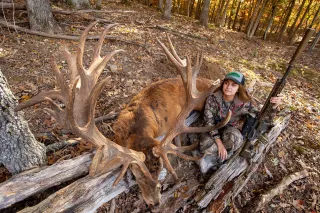
What makes The Hunting Grounds a premier guided hunting destination?
Our operation is built around superior genetics, intentional herd management, and limited hunting pressure. This approach creates consistent opportunities at mature, trophy-class animals while maintaining an ethical, professional hunting experience.
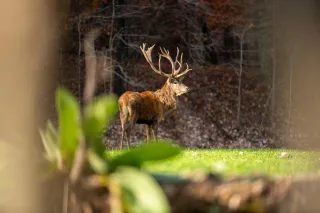
Is a trophy or harvest guaranteed?
No ethical outfitter can guarantee a harvest. What we provide is a professionally managed hunting program built around genetics, habitat, and limited pressure to create excellent opportunity at trophy-class animals.
What accommodations can I expect?
Guests stay in comfortable lodge accommodations designed for hunters. Expect quality meals and a relaxing place to recover after time in the field. Dietary needs can be accommodated with advance notice.
What gear should I bring?
After booking, we provide a recommended packing list. In general, plan for weather-appropriate clothing, broken-in boots, optics, and your preferred weapon setup. We can advise on calibers, ammunition, and equipment.
Do I need a hunting license or tag?
Yes, but we'll provide you with clear guidance on licensing, tags, and any required paperwork well before your hunt.
What does “superior genetics” mean in a hunting operation?
Superior genetics refer to long-term breeding and herd selection that support antler growth, body size, and maturity. When paired with habitat management and limited pressure, genetics play a major role in producing trophy-class animals. This is why many hunters choose managed destinations when booking a guided trophy hunt.
How physically demanding are guided hunts?
Physical demand varies based on species, terrain, and hunt style. Some hunts are moderately active, while others are more physically demanding. We discuss expectations ahead of time so hunters can choose the experience that best fits their ability level.
What happens after I harvest an animal?
The experience is totally up to you. You can either get super involved or watch and learn, but after a harvest, your guide assists with field care and the next steps. We'll also help coordinate processing and taxidermy options, so your trophy and meat are handled properly from the field forward.
What are the best dates to book a guided trophy hunt?
There isn't a "best" time/date to hunt weather your hunting red deer, elk, or whitetails with our guiding experience, you'll be sure to get on your target animal.
When's the best time to hunt Red Deer?
Red deer typically rut in early fall, generally from late September through mid-November, with the peak activity often occurring around late October and early November when stags roar and compete for hinds. This breeding season is driven by shorter days, and while it starts in the fall, it can extend into winter.
When's the best time to hunt Whitetail?
The best time to hunt Whitetail Deer often centers around the rut, when buck movement increases, and daylight activity improves. Pre-rut and post-rut periods can also provide excellent opportunities depending on the weather and conditions. Whether you want to hunt the pre- or post-rut, we can provide great hunt opportunities.
When is the best time to hunt Elk?
Hands down, the most popular time to hunt Elk is during the rut when bulls are more vocal and responsive to calling. All of September hunts can be productive depending on conditions and hunt style.
Where Trophy Hunts Meet First-Class Hospitality
© 2026 The Hunting Grounds. All rights reserved.